Wire Mesh has long been a staple in architectural and industrial applications, valued for its strength, versatility, and transparency. Traditionally, Wire Mesh patterns have followed vertical and horizontal arrangements, creating a straightforward, functional appearance. However, as architectural trends evolve and demand grows for materials that are both visually striking and functional, designers are exploring new ways to elevate Wire Mesh aesthetics.
One approach is incorporating diagonal shear into Wire Mesh designs, a technique that enhances visual appeal.
The Basics of Diagonal Shear in Wire Mesh
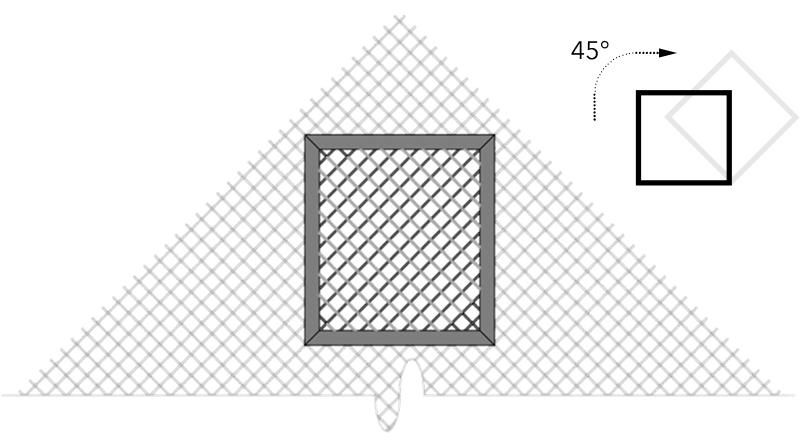
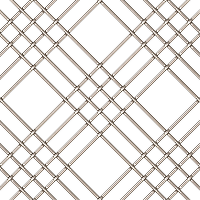
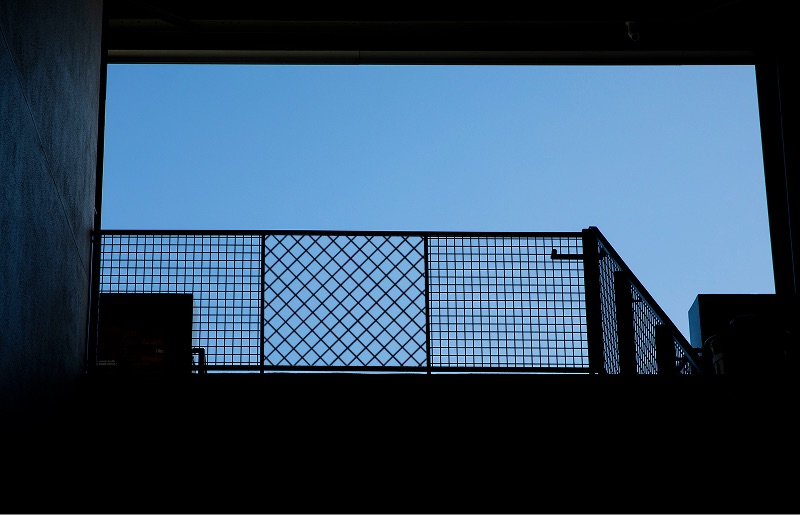
Diagonal shear refers to intentionally angling the mesh’s grid pattern, creating a dynamic diamond-shaped appearance instead of the conventional square or rectangular layout.
At McNICHOLS, we achieve this by cutting the sheet to size at a diagonal angle relative to the standard orientation. It's important to note that this results in a smaller final size than the original sheet from which it was sheared. But the result? A unique new pattern!
Certain woven mesh types may not be suitable for diagonal shearing due to the risk of unraveling, sharp edges, or insufficiently secured wires. Make sure to consult a McNICHOLS® Customer Service Specialist when selecting mesh types for diagonal shearing to ensure the material maintains its structural integrity.
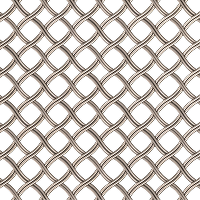
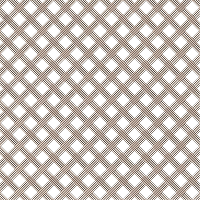
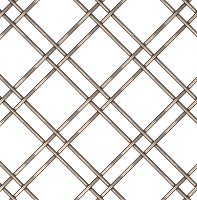
If the weave is light or has wide openings, wires may loosen or fall out when the material is cut diagonally. Wire Mesh with smaller openings and tighter weaves typically performs better because wire tension helps maintain the pattern. As a result, mesh patterns with tighter weaves or smaller openings are generally better suited for diagonal shearing. Some popular choices include:
HALO™ 2252
TALICA™ 8158
TECHNA™ 3150
TECHNA™ 8164
KEY BENEFITS OF INCORPORATING DIAGONAL SHEAR
Aesthetic Versatility: Diagonal patterns break the monotony of traditional grids, adding visual interest and a sense of movement. This makes them ideal for applications such as feature walls, facades, partitions, and decorative panels.
Enhanced Light Play: Angled wires interact with light differently, casting shadows and reflections that shift throughout the day and add depth and dynamism to a space.
Customization: Designers can tailor the angle and density of the diagonal shear to suit project requirements, ranging from subtle shifts to bold, dramatic statements.
Applications in Modern Architecture and Design
Diagonally sheared Wire Mesh is gaining traction across a variety of applications:
Building Facades: Diagonal mesh patterns can transform a building’s exterior, creating a contemporary look while providing sun shading and privacy.
Interior Partitions: In open-plan offices or public spaces, diagonally sheared mesh partitions create separation without sacrificing openness or natural light.
Art Installations: Artists and designers leverage the dynamic geometry of diagonal mesh to create sculptures and installations that engage viewers from multiple angles.
Furniture and Fixtures: From shelving units to lighting fixtures, the distinctive texture and pattern of diagonal mesh add a modern twist to everyday objects.
To learn more about how Wire Mesh can enhance your cabinets, read our blog post here.
Design Considerations and Best Practices
When integrating diagonal shear into Wire Mesh designs, several factors should be considered:
Material Selection: Stainless Steel, Aluminum, and Copper are popular choices, each offering distinct finishes and levels of durability.
Shear Angle: The 45º angle of the shear affects both aesthetics and performance. Subtle angles create gentle movement, while steeper angles create a bolder visual impact.
Mesh Density: Wire spacing influences transparency, weight, and structural capacity.
Installation Methods: Proper framing and support are essential to maintain the integrity of the sheared pattern, particularly in large-scale applications.
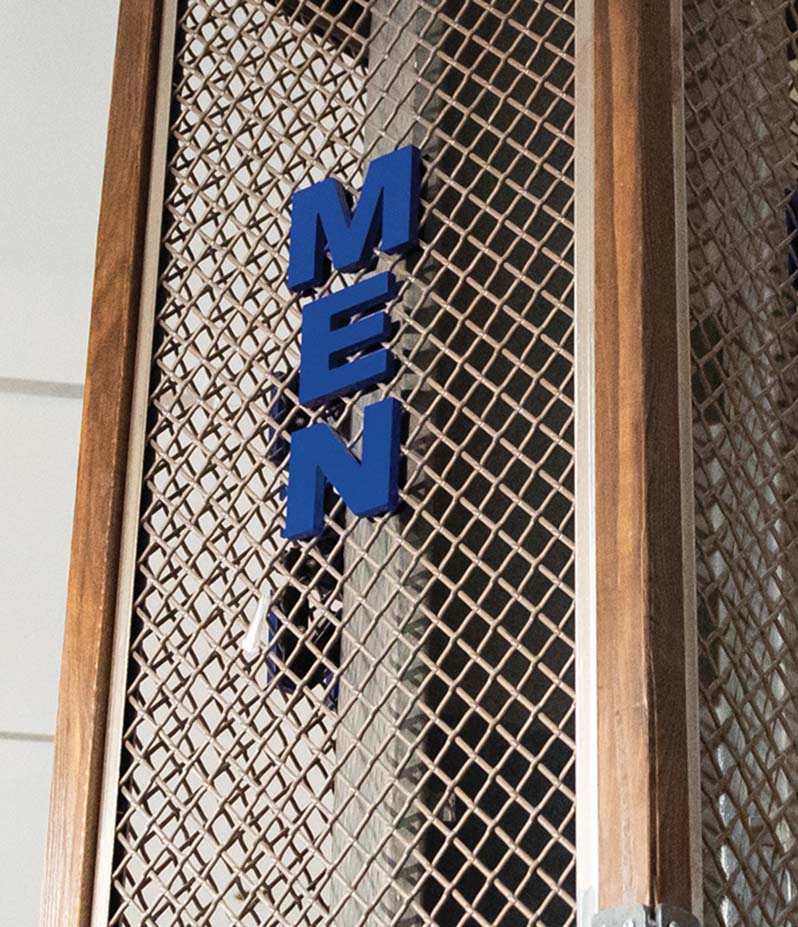
Diagonally sheared Wire Mesh enhances store design at Wrigley Field in Chicago.
Conclusion
Diagonal shear is redefining what’s possible with Wire Mesh, merging form and function in new and exciting ways. By moving beyond traditional grid patterns, designers can create spaces and structures that are both robust and practical while remaining visually captivating. Whether used in architecture, interiors, or product design, diagonally sheared Wire Mesh offers a fresh perspective on this timeless material.
For designers seeking to push creative boundaries, embracing diagonal shear offers a compelling way to achieve both aesthetic distinction and structural innovation.