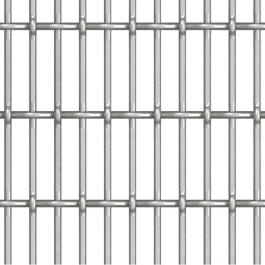
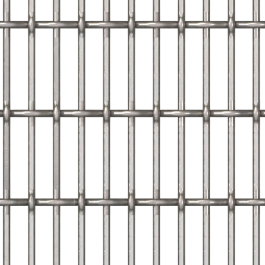
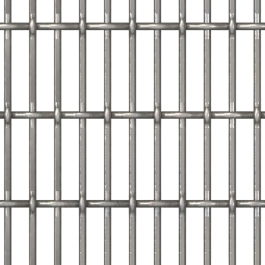
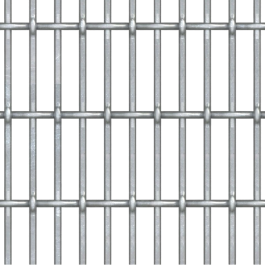
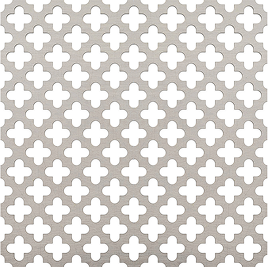
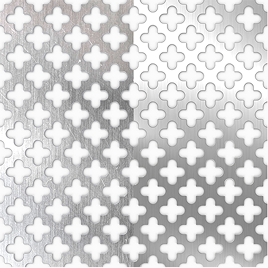
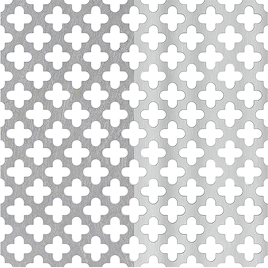
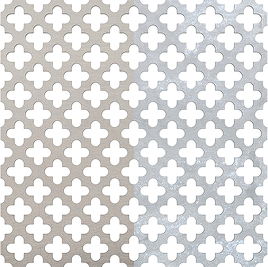
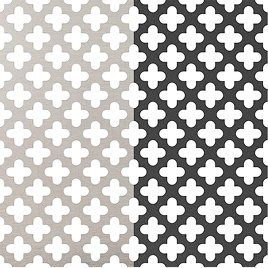
Designer Metals combine functionality with visual impact, offering an extensive selection of decorative metal patterns for interior and exterior applications. Whether you're creating a bold architectural statement, incorporating refined decorative elements, or designing a functional screening solution,McNICHOLS® Designer Metals offer the versatility and durability to help bring your vision to life.
This guide will help you understand Designer Metals product types, material options, design considerations, and the information needed to specify and order the right product for your project.
Overview
Available in a wide range of patterns, materials, finishes, and configurations, Designer Metals are engineered to enhance both aesthetics and performance. Common applications for these products range from decorative panels to furniture, fixtures, signage, and more! The right Designer Metals selection balances appearance, structural requirements, environmental conditions, and fabrication needs.
How to Specify and Order Designer Metals
Selecting Designer Metals begins with understanding both your project's functional and visual requirements. When requesting a quote or placing an order, it helps to connect with a knowledgeable Hole Team member to ensure your selection provides the best results!
Application
The intended application helps determine the appropriate pattern, material, thickness, finish, and fabrication requirements. We encourage you to consider the following:
Architectural Integration: Consider how Designer Metals interact with building materials, lighting conditions, structural systems, and branding elements.
Structural and Load Considerations: Evaluate span requirements, wind loads, attachment methods, and deflection limitations. We recommend working with your project engineer and applicable building codes whenever structural performance is critical for the best results!
Maintenance and Longevity: Material and finish selections should align with expected maintenance practices and environmental exposure conditions. Factors to evaluate include cleaning requirements, corrosion resistance, UV exposure, and wear and abrasion.
We invite you to explore our Application Gallery for examples of Designer Metals in use across industries.
Designer Product Type
After determining your application requirements, it’s now time to choose the Designer Metals product category that best fits your design goals.
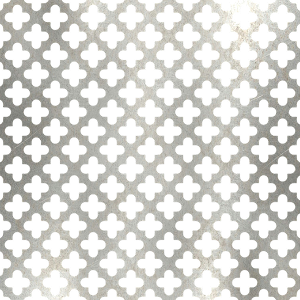
ITEM 16820020
Designer Perforated
McNICHOLS® Designer Perforated Metal features decorative openings punched into metal sheets. Available in geometric and custom patterns, these intricate patterns offer a perfect balance of style and functionality, making them ideal for architectural, interior, and decorative applications.
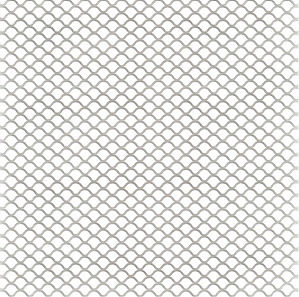
ITEM 49366R18
Designer Expanded
McNICHOLS® Designer Expanded Metal adds depth, texture, and strength to architectural and decorative applications, offering a unique blend of form and function. Known for their excellent strength-to-weight ratio, they are ideal for both interior and exterior designs and deliver a modern aesthetic with lasting strength.
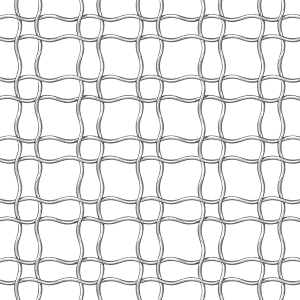
ITEM 31447400
Designer Mesh
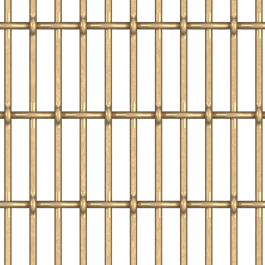
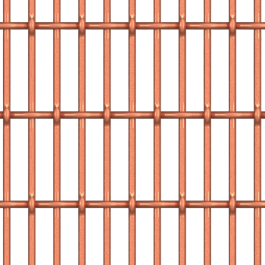
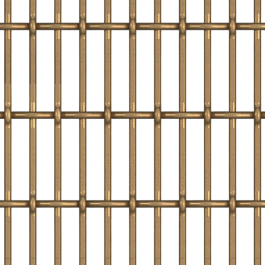
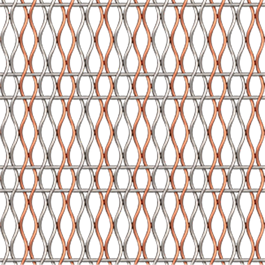
McNICHOLS® Designer Mesh products offer strength with sophistication and extensive design versatility. Perfect for both decorative and functional applications, these patterns offer a wide range of possibilities for creating unique, custom solutions. From flexible Wire Cloth to rigid Lock-Crimp weave, our vast inventory contains the right Mesh for almost any application, installation, and desired look!
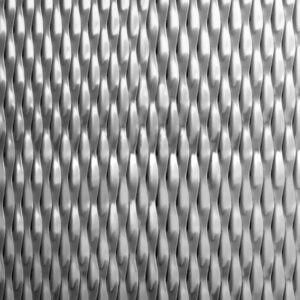
ITEM R8000001
Designer Textured
McNICHOLS® Designer Textured Metal incorporates raised or embossed patterns to create visual interest, enhanced rigidity, and architectural character. With a selection of patterns that create dynamic surfaces, our Textured Metals provide both function and style, making them ideal for architectural, industrial, and decorative applications.
Pattern Selection
One of the most important decisions in the design process is selecting a pattern. When evaluating patterns, it’s helpful to consider the following:
Visual Scale: The pattern should be proportional to the viewing distance and surrounding architecture. Large-scale patterns often work best for building facades, large feature walls, and exterior screens, whereas smaller-scale patterns are commonly used for furniture, cabinet inserts, decorative accents, and interior applications.
Open Area (transparency): Projects requiring greater transparency often utilize patterns with higher open area percentages, while privacy-focused applications generally benefit from lower open area designs. The amount of open area influences visibility, privacy, airflow, and light transmission.
Architectural Style: Designer Metals patterns range from traditional and ornamental to contemporary and geometric. Consider how the pattern complements surrounding materials, finishes, and architectural elements.
Orientation: Consider rotating select Designer Metals patterns at a diagonal to create a fresh visual perspective and highlight the pattern’s unique geometry. We encourage exploring different orientations to find the look that best complements your design.
Series Name & Number
Each Designer Metals product is identified by a specific series and pattern number. For example, Designer Mesh products may belong to a specific series with multiple pattern options available within that collection. Providing the exact series and pattern number helps ensure accurate product selection and quoting.
Primary Material Types
Selecting the right material is an important part of creating a reliable solution for your application. It’s best practice to consider how each material’s appearance, strength, corrosion resistance, fabrication capabilities, and long-term performance align with your project needs. Not sure what material is best? That’s what our knowledgeable Hole Team is for!
ITEM 37312000
Aluminum: Aluminum products offer lightweight, corrosion-resistant patterns that are easy to fabricate and install.
ITEM 31312000
Stainless Steel: Stainless Steel products offer corrosion resistance and a modern, resilient appearance.
ITEM 36312000
Carbon Steel: Carbon Steel provides excellent strength and is often selected when durability and structural support are primary considerations.
ITEM 32312000
Galvanized Steel: Galvanized Steel combines the strength of Carbon Steel with additional corrosion protection through a zinc coating.
ITEM 39312000
Brass: Brass provides a warm, sophisticated appearance often associated with luxury interiors.
ITEM 33312000
Copper: Copper delivers a distinctive appearance that naturally develops a patina over time.
ITEM 35312000
Bronze: Bronze offers a rich appearance and excellent architectural character for upscale projects.
ITEM 33215600
Mixed Metal: Various combinations of materials are available, allowing for additional design flexibility.
If you're still not sure which material to select for your project, here's a helpful material selection guide:
Application:
Recommended Materials:
Benefits:
Coastal Applications
Aluminum or Stainless Steel Type 316
Superior resistance to saltwater and corrosive conditions.
Interior Decorative
Aluminum, Brass, Copper, or Stainless Steel
Exceptional aesthetic flexibility while maintaining durability.
High-Traffic Commercial Spaces
Stainless Steel, Carbon Steel with protective finish, or Galvanized Steel
Strength and long-term performance.
Gauge/Thickness
Designer Metals are available in a wide range of gauges and thicknesses based on the selected material. Material thickness can influence structural performance, rigidity, weight, and fabrication capabilities, making it an important consideration when selecting the right product for your application.
Available gauges generally range from 26 Gauge to 1/2" thick, depending on material selection. Aluminum, Stainless Steel, Carbon Steel, Brass, Copper, and other materials each have unique thickness standards and weights.
Why Thickness Matters
Thicker materials typically provide greater rigidity, impact resistance, and structural performance. Lighter gauges may be preferred when reducing weight, accommodating larger panel sizes, or achieving a decorative design is the primary consideration. Evaluating these factors can help identify the material thickness best suited to your project needs.
Percent Open Area
"Open area" refers to the percentage of material removed from a sheet by the pattern design. The percentage of open area can influence airflow, visibility, light transmission, weight, and acoustical performance, making it an important consideration when selecting a pattern for your application.
Higher open area percentages generally provide increased airflow, greater transparency, and reduced weight. Lower open area percentages typically provide greater privacy, increased visual mass, and more effective screening. We encourage you to consider the desired balance of visibility, airflow, and coverage when selecting the open area best suited to your project needs!
Product Size, Form, & Quantity
Please be sure to provide the following information when requesting a quote so that our Customer Service Specialists can ensure your product arrives as specified and is ready for your installation. Accurate quantity information helps optimize material usage and project pricing.
Form: You can begin by determining whether material is required as full sheets, cut pieces, fabricated assemblies, or Infill Panels.
Sheet Size: We encourage customers to specify the standard sheet dimensions you would like to purchase as well as any custom cut-to-size requirements that should be applied to the sheet.
Quantity: Please specify the number of sheets, fabricated parts, or project-specific quantities.
Product Finishes
The selected finish plays a significant role in both appearance and long-term performance. Common finish options include:
Mill Finish: A natural, unfinished appearance that showcases the material's inherent characteristics. Designer Metal comes in mill finish unless otherwise specified.
Polishing: A smooth, refined finish achieved by smoothing and polishing the surface of your metal.
Anodizing: An electrochemical finishing process that increases the natural oxide layer on Aluminum, improving corrosion resistance, durability, and appearance.
Galvanizing: A protective coating process that applies zinc to Steel to help prevent corrosion and extend the material's service life in demanding environments.
Powder Coating: This coating provides enhanced durability, extensive color options, and additional corrosion protection.
Depending on the material and application, specialty finishes may include brushed finishes, polished finishes, patina treatments, or architectural coatings.
Fabrication & Value-Added Services
Many projects require products that go beyond standard sheet material. Early consideration of fabrication requirements helps streamline project timelines and ensure design intent is maintained throughout production. Available services may include:
Additional Value-Added Services may also be available depending on your project requirements. We invite you to explore our complete list of Value-Added Services!
Accessories
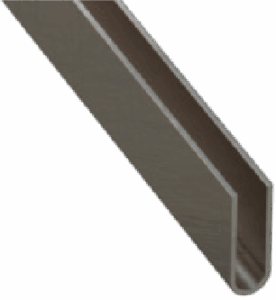
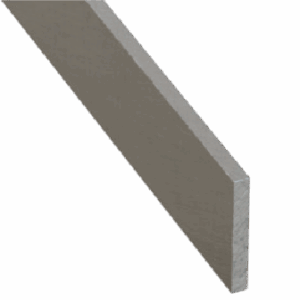
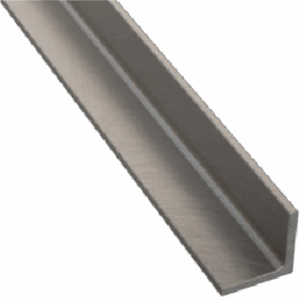
Accessories for Designer Metals can help complete and simplify installation. When applicable, consider Accessories as part of the overall system design to help support your project requirements. Common sheet banding choices include:
U-Edging: Employed for refined appearances, this banding provides clean, finished edges and improved installation safety.
Flat Bar: Often used for framing, reinforcement, or mounting systems.
Angle: Suitable for structural support, framing assemblies, or architectural detailing.
Experience the McNICHOLS Difference
With an extensive inventory, knowledgeable product expertise, and 19 locations nationwide, McNICHOLS is your project partner for Designer Metals solutions. From product selection and specification to Value-Added Services, like fabrication and finishing options, our knowledgeable Hole Team is ready to serve your project needs with superior Service, Quality, and Performance.
Whether you are designing a signature architectural facade, an elegant interior feature, or a custom screening solution, McNICHOLS® Designer Metals offer the versatility, durability, and visual impact to help bring your design vision to life.