A durable, corrosion-resistant oxide layer for more resilient Aluminum!
What is Anodizing?
Anodizing is an electrochemical process that converts the surface of Aluminum into a durable, corrosion-resistant oxide layer. Unlike applied coatings, this layer becomes an integral part of the metal, allowing it to resist chipping, peeling, and flaking over time.
As a result, Anodized Aluminum offers excellent corrosion resistance, surface hardness, and long-term durability with minimal maintenance.
Durability and Corrosion Resistance: The anodic layer protects Aluminum from environmental exposure and abrasion, making it well-suited for exterior, high-traffic, and corrosive environments.
Integrated Finish: Because the oxide layer is integral to the metal, anodizing will not chip or delaminate like applied coatings, resulting in long-term performance with reduced maintenance.
Aesthetics: Anodizing preserves the natural metallic appearance of Aluminum while offering a range of finish options, from clear matte to bronze and black tones. Appearance may vary based on alloy, temper, and part geometry. For precise color matching, powder coating may be preferred.
Anodizing is commonly specified for:
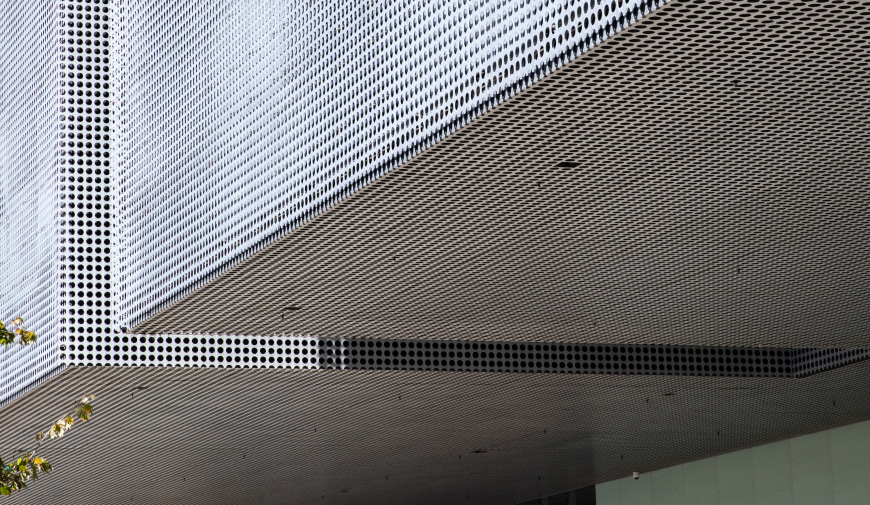
Façades, panel systems, and sunshades
Window framing, storefronts, and curtain wall systems
Trim, column covers, and interior architectural features
Railings, signage, and exposed structural elements
Material and Product Considerations
Anodizing performance and appearance depend heavily on material selection and product type.
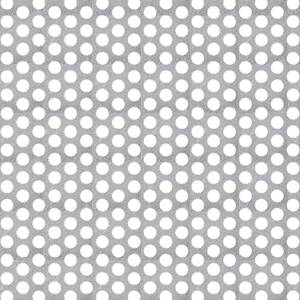
Perforated Metal can be anodized; however, alloy selection is critical for achieving consistent results.
Aluminum Alloy 5052-H32 or higher is recommended for optimal finish consistency. Aluminum Alloy 3003-H14 may produce visible variation, including "tiger striping," after anodizing.
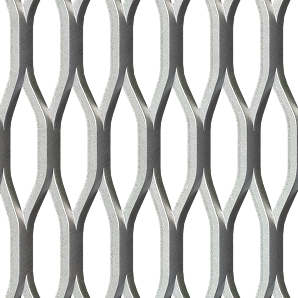
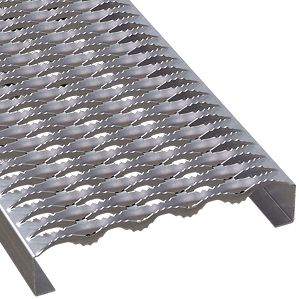
Anodizing is not recommended for Wire Mesh or Bar Grating, as their geometry and surface variation can result in inconsistent finish quality.
Because of these factors, early coordination of material selection and finish expectations is essential. A Customer Service Specialist can assist in evaluating suitability for your application.
Appearance and Process Considerations
Anodizing produces a high-performance finish, but certain visual characteristics are inherent to the process.
Color variation and shading differences may occur between parts due to alloy composition and production batches.
Rack marks are inherent to the anodizing process. These small contact points, where electrical connections are made during processing, appear as uncoated areas typically about the size of a dime. On larger sheets, such as 4-foot by 10-foot panels, approximately 6 to 8 rack points per sheet can be expected.
Anodizing enhances the surface of Aluminum but does not conceal imperfections or produce a completely uniform appearance. Surface conditions such as scratches, die lines, or variations in the base material may remain visible after processing.
These characteristics should be considered when specifying finishes for highly visible applications.
Why Work with McNICHOLS?
McNICHOLS offers anodizing as part of its Value-Added Services, integrating material sourcing, fabrication, and finishing to support efficient project execution.
For project-specific guidance, request a quote or contact a Customer Service Specialist to review material selection, alloy requirements, and finish expectations. Our team will help determine if anodizing is the right solution and how to achieve the best possible result.
Articles & Content
Browse articles and content for more information on McNICHOLS® Anodizing Services. Learn more about product specifications, order processes, application inspiration and real life case studies and more!
Rack marks are small contact points created during the anodizing process where parts are electrically connected. These areas remain uncoated and are a normal characteristic of the process.
Forming after anodizing is not recommended. The anodic layer is hard and may crack during bending. Fabrication should typically be completed prior to anodizing.
Anodizing is suitable for Aluminum sheets and certain Perforated Metal applications but is not recommended for Wire Mesh or Bar Grating due to inconsistent results.
Not always. Anodizing can be applied as a clear finish or with tinted options ranging from bronze tones to black. Appearance may vary depending on alloy, production batch, and oxide thickness. Samples are recommended to confirm final color and finish prior to production.
Anodized surfaces can improve adhesion for primers and coatings compared to bare Aluminum. If additional finishes are required, sequencing and adhesion requirements should be reviewed with a Customer Service Specialist.
Lead times vary based on part geometry, volume, and finish requirements. For project-specific scheduling, contact a Customer Service Specialist. With 19 locations nationwide, McNICHOLS supports efficient turnaround times.