Choosing the Right Stair Tread: Performance, Materials, and Design Considerations
Stair Treads play a critical role in high-traffic environments. From industrial facilities and public infrastructure to commercial buildings and architectural spaces, stair systems must perform reliably day after day.
A high-quality Stair Tread is not defined by a single feature. It’s the result of thoughtful material selection, sound design, and the ability to perform under real-world conditions such as moisture, heavy use, and ongoing maintenance.
At McNICHOLS we approach Stair Treads as part of a larger system that must balance safety, durability, and long-term performance.
Performance Starts With Material Selection
Material selection is one of the most important factors in Stair Tread performance. Common options include Carbon Steel, Aluminum, and Fiberglass, each offering distinct advantages depending on the application:
Carbon Steel is often selected for strength and load-bearing capacity in industrial settings.
Aluminum provides a lightweight solution with natural corrosion resistance.
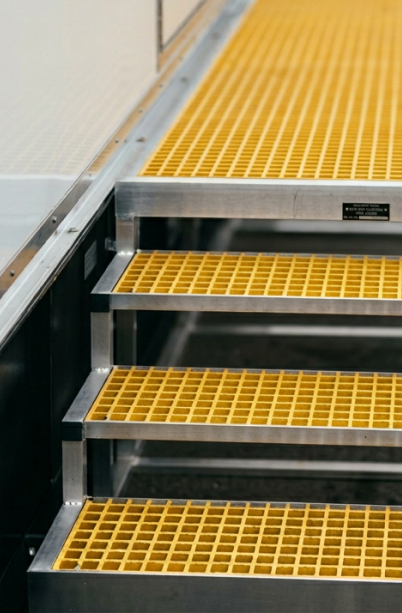
Fiberglass offers non-conductive properties and strong resistance to chemicals and moisture.
The environment ultimately dictates the best choice. Exposure to water, chemicals, temperature fluctuations, and heavy traffic all influence how a material performs over time.
Traction and Safety Are Critical
One of the most important functions of a Stair Tread is to provide consistent footing. Slip resistance can be achieved in several ways, depending on the product type:
Open-area designs that allow water, debris, and contaminants to pass through
In outdoor and industrial environments, open-area configurations are especially effective because they reduce buildup that can lead to slips and unsafe conditions.
Visibility also plays an important role. Defined tread edges or high-visibility nosings can improve user awareness and reduce missteps, particularly in low-light or high-traffic areas.
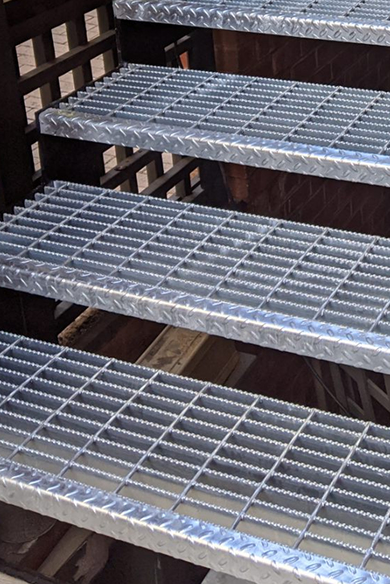
Bar Grating
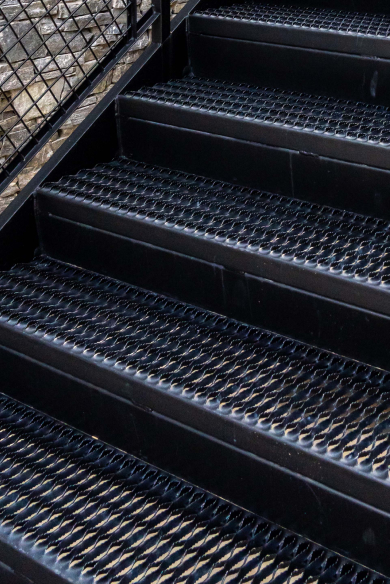
Plank Grating
Fiberglass Grating
Design Impacts Real-World Performance
Beyond material and surface texture, the overall design of a Stair Tread affects how it performs once installed. Key considerations include the following:
Well-designed Stair Treads maintain their shape, align properly during installation, and deliver predictable performance across an entire system. This is especially important in large-scale projects, where repeatability and consistency directly impact installation time and long-term maintenance.
Durability Means More Than Strength
Durability isn’t just about load capacity. It’s about long-term performance under real-world conditions. In many environments, Stair Treads are exposed to:
Continuous foot traffic
Moisture and environmental conditions
Cleaning agents and routine maintenance
Impact from equipment or tools
Materials and finishes must be selected to withstand these conditions without degrading. The addition of Finishing Services, such as galvanizing or powder coating, can enhance corrosion resistance and extend service life. Certain materials, such as Fiberglass, also perform well in harsh environments.
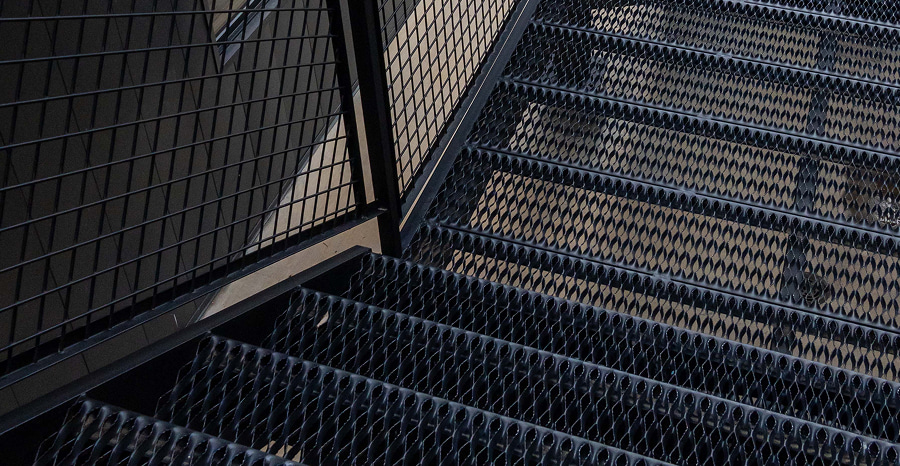
GRIP STRUT® Plank Grating Stair Treads that have been powder-coated black.
Maintenance and Lifecycle Considerations
Maintenance is often overlooked during specification, but it plays a critical role in long-term performance.
Nonporous materials such as Carbon Steel, Aluminum, and Fiberglass, combined with open designs found in Hole Products, can simplify cleaning and reduce buildup. In environments where frequent cleaning is required, compatibility with cleaning agents is an important consideration.
Selecting the right Stair Tread from the start can reduce maintenance demands, minimize downtime, and extend the lifecycle of the installation.
Matching the Stair Tread to the Application
There is no one-size-fits-all solution. The best Stair Tread depends on how and where it will be used.
Industrial facilities may prioritize strength, drainage, and durability
Commercial spaces often require a balance of performance and aesthetics
Public infrastructure demands long-term reliability and safety under heavy use
Corrosive environments require materials that resist degradation above all else
Understanding these requirements early in the design process helps ensure the selected product performs as expected.
Why Work With McNICHOLS
High-quality Stair Treads are defined by more than manufacturing alone. They reflect a combination of material performance, thoughtful design, and real-world application requirements. By focusing on how Stair Treads perform in actual environments rather than how they are made, you can make more informed decisions that enhance safety, durability, and long-term value.